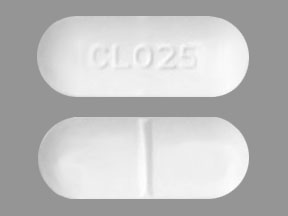
Colchicine-Probenecid
Colchicine-Probenecid 0.5-500MG
What is Colchicine-Probenecid?
Colchicine-probenecid is a prescription medication used primarily for treating gout and familial Mediterranean fever. It works by reducing inflammation and lowering uric acid levels in the body. Common side effects may include gastrointestinal upset and allergic reactions. For cost savings, users can connect with a licensed provider through Rx.com for coupons and easy prescription refills.Side Effects
- Allergic reaction: Itching or hives, swelling in your face or hands, swelling or tingling in your mouth or throat, chest tightness, trouble breathing
- Blood in the urine, pain when urinating, back pain
- Numbness or tingling in your hands or feet
Warnings
- It is not safe to take this medicine during pregnancy. It could harm an unborn baby. Tell your doctor right away if you become pregnant.
- Tell your doctor if you are breastfeeding, or if you have kidney stones, a blood disorder, kidney disease, liver disease, or a history of stomach ulcers.
- This medicine may cause the following problems:Increased gout symptoms, when you first start treatmentKidney stones
- Tell any doctor or dentist who treats you that you are using this medicine, especially if you are going to have general anesthesia.
- Tell any doctor or dentist who treats you that you are using this medicine. This medicine may affect certain medical test results.
Prescription savings · · · ·
What is Colchicine-Probenecid ?
Colchicine-probenecid is a prescription medication used primarily for treating gout and familial Mediterranean fever. It works by reducing inflammation and lowering uric acid levels in the body. Common side effects may include gastrointestinal upset and allergic reactions. For cost savings, users can connect with a licensed provider through Rx.com for coupons and easy prescription refills.- Allergic reaction: Itching or hives, swelling in your face or hands, swelling or tingling in your mouth or throat, chest tightness, trouble breathing
- Blood in the urine, pain when urinating, back pain
- Numbness or tingling in your hands or feet
- Severe stomach pain, vomiting, or diarrhea
- It is not safe to take this medicine during pregnancy. It could harm an unborn baby. Tell your doctor right away if you become pregnant.
- Tell your doctor if you are breastfeeding, or if you have kidney stones, a blood disorder, kidney disease, liver disease, or a history of stomach ulcers.
- This medicine may cause the following problems:Increased gout symptoms, when you first start treatmentKidney stones
- Tell any doctor or dentist who treats you that you are using this medicine, especially if you are going to have general anesthesia.
- Tell any doctor or dentist who treats you that you are using this medicine. This medicine may affect certain medical test results.
- Keep all medicine out of the reach of children. Never share your medicine with anyone.
Colchicine-Probenecid Coupons & Prices
Colchicine-Probenecid 0.5-500MG
Weight-loss medication, prescribed online
Licensed U.S. providers · No insurance needed · Shipped to your door
Colchicine-Probenecid prices by dosage
Lowest cash price with a free Rx.com coupon vs. the average retail price.
| Dosage | Quantity | Retail price | Rx.com price |
|---|---|---|---|
| 0.5-500mg · Tablet | 60 | $116.39 | $46.93 |
Cash prices near ZIP 77433; updated regularly. Actual pharmacy price may vary.
Colchicine-probenecid is a combination tablet that pairs an anti-inflammatory (colchicine) with a uricosuric agent (probenecid) to help prevent recurring gout attacks, and prices for it can vary a lot from one pharmacy to the next. If you're looking for a colchicine-probenecid coupon, entering your ZIP code above lets you compare cash prices across pharmacies near you before you fill it.
What is colchicine-probenecid and how does it work?
Colchicine-probenecid combines two medicines with different jobs. Probenecid is a uricosuric that helps the kidneys remove more uric acid from the body, lowering blood uric acid levels over time. Colchicine helps reduce the inflammation associated with gout flares. Together they're used for the prophylaxis (prevention) of recurring gouty arthritis attacks in patients with frequent, chronic gout — this combination is not intended to treat a gout attack that has already started.
Comparing prices for colchicine-probenecid
This combination is only available as a generic; the original brand, ColBenemid, was discontinued years ago. Because it's generic, cash prices can still swing widely by pharmacy and by which manufacturer's tablets a pharmacy stocks. Rx.com compares prices across more than 60,000 U.S. pharmacies so you can find a lower cash price nearby, whether or not you have insurance.
Alternatives for gout prevention
- Allopurinol — a xanthine oxidase inhibitor that lowers uric acid production; often a first-choice option for long-term gout prevention.
- Febuxostat — another xanthine oxidase inhibitor, sometimes used when allopurinol isn't tolerated.
- Colchicine alone — used short-term to prevent flares, including when starting a uric-acid-lowering medicine.
Your provider will choose based on your kidney function, other medications, and how well you've tolerated gout medicines in the past.
Safety information
Colchicine can be dangerous in overdose and can interact seriously with certain other medicines, including some strong CYP3A4 or P-glycoprotein inhibitors, especially if you have kidney or liver problems — always tell your doctor and pharmacist about everything else you take. Probenecid shouldn't be started during an acute gout attack and can interact with drugs like penicillin-type antibiotics and aspirin. This combination is contraindicated in pregnancy, due to the colchicine component, and in children under 2 years of age. This isn't a complete list of warnings or interactions; talk with your doctor or pharmacist about whether this medicine is right for you.
This Colchicine-Probenecid information was written and reviewed against authoritative U.S. medical sources — MedlinePlus (U.S. National Library of Medicine), DailyMed, and FDA prescribing information — and checked for accuracy. It is provided for education and is not a substitute for professional medical advice.
Verify the official label: Colchicine-Probenecid on DailyMed (FDA)
Reviewed against FDA labeling · Last reviewed July 2026
Related Drugs
Browse more medications: starting with C · full A-Z directory · by condition · common drugs
Medical disclaimer: This information is provided for general educational purposes only and is not medical advice. It is not a substitute for professional diagnosis or treatment. Always consult a licensed physician, pharmacist, or other qualified healthcare provider before starting, stopping, or changing any medication or treatment. Never disregard professional medical advice or delay seeking it because of something you read here. If you think you may have a medical emergency, call your doctor or 911 immediately.


