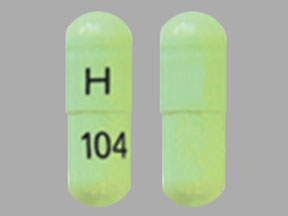
Indomethacin
Indomethacin 50MG
What is Indomethacin?
Indomethacin is a generic drug used to relieve pain caused by certain conditions. The average Indomethacin price is about $16 for a supply of 30, 50 mg tablets. You can use our Rx.com savings offer to get an average Zegerid discount of up to 80% off of the retail price at participating pharmacies near youSide Effects
- Dark urine or pale stools, nausea, vomiting, loss of appetite, stomach pain, yellow skin or eyes
- Change in how much or how often you urinate
- Numbness or weakness on one side of your body, sudden or severe headache, problems with vision, speech, or walking
Warnings
- Tell your doctor if you are pregnant or breastfeeding. Do not use this medicine during the later part of a pregnancy, unless your doctor tells you to.
- Tell your doctor if you have kidney disease, liver disease, asthma, bleeding problems, heart disease, high blood pressure, heart failure, or a history of stomach or bowel problems (including bleeding or ulcers), depression, mental illness, epilepsy, or Parkinson disease. Tell your doctor if you smoke or drink alcohol.
- This medicine may cause the following problems:Higher risk of blood clots, heart attack, stroke, or heart failureBleeding and ulcers in your stomach or intestinesLiver damageKidney damageSerious skin reactionsChanges in vision
- Ovulation may be delayed in some women while this medicine is being used. Talk to your doctor if you have concerns about this.
- This medicine may make you drowsy. Do not drive or do anything else that could be dangerous until you know how this medicine affects you.
Prescription savings · · · ·
What is Indomethacin ?
Indomethacin is a generic drug used to relieve pain caused by certain conditions. The average Indomethacin price is about $16 for a supply of 30, 50 mg tablets. You can use our Rx.com savings offer to get an average Zegerid discount of up to 80% off of the retail price at participating pharmacies near you- Dark urine or pale stools, nausea, vomiting, loss of appetite, stomach pain, yellow skin or eyes
- Change in how much or how often you urinate
- Numbness or weakness on one side of your body, sudden or severe headache, problems with vision, speech, or walking
- Unusual bleeding, bruising, or weakness
- Chest pain that may spread, trouble breathing, unusual sweating, fainting
- Rapid weight gain, swelling in your hands, ankles, or feet
- Allergic reaction: Itching or hives, swelling in your face or hands, swelling or tingling in your mouth or throat, chest tightness, trouble breathing
- Blistering, peeling, or red skin rash
- Bloody or black, tarry stools, severe stomach pain, vomiting blood or something that looks like coffee grounds
- Tell your doctor if you are pregnant or breastfeeding. Do not use this medicine during the later part of a pregnancy, unless your doctor tells you to.
- Tell your doctor if you have kidney disease, liver disease, asthma, bleeding problems, heart disease, high blood pressure, heart failure, or a history of stomach or bowel problems (including bleeding or ulcers), depression, mental illness, epilepsy, or Parkinson disease. Tell your doctor if you smoke or drink alcohol.
- This medicine may cause the following problems:Higher risk of blood clots, heart attack, stroke, or heart failureBleeding and ulcers in your stomach or intestinesLiver damageKidney damageSerious skin reactionsChanges in vision
- Ovulation may be delayed in some women while this medicine is being used. Talk to your doctor if you have concerns about this.
- This medicine may make you drowsy. Do not drive or do anything else that could be dangerous until you know how this medicine affects you.
- Your doctor will do lab tests at regular visits to check on the effects of this medicine. Keep all appointments.
- Keep all medicine out of the reach of children. Never share your medicine with anyone.
- Unusual bleeding, bruising, or weakness
Indomethacin Coupons & Prices
Indomethacin 50MG
Weight-loss medication, prescribed online
Licensed U.S. providers · No insurance needed · Shipped to your door
Looking for an indomethacin coupon? Indomethacin is a widely used generic prescription NSAID (nonsteroidal anti-inflammatory drug) prescribed for arthritis pain, acute gout attacks, and other inflammatory conditions. Because it is available as a low-cost generic, the cash price is often modest, but what you actually pay can vary a lot from one pharmacy to the next, so it pays to compare. Rx.com checks prices across more than 60,000 pharmacies so you can find today's lowest price. Enter your ZIP above to see the current price near you.
What is indomethacin and how does it work?
Indomethacin is a nonsteroidal anti-inflammatory drug (NSAID) that works as a nonselective inhibitor of the COX-1 and COX-2 enzymes. By blocking these enzymes, it lowers the production of prostaglandins, the body chemicals that drive pain, swelling, and inflammation. It is FDA-approved to treat moderate to severe rheumatoid arthritis, osteoarthritis, and ankylosing spondylitis, as well as acute painful shoulder (bursitis and tendinitis) and acute gouty arthritis. A low-dose capsule form (Tivorbex) is approved for mild-to-moderate acute pain.
Indomethacin is the generic name; brand versions include Indocin, Indocin SR (an extended-release capsule), and Tivorbex. An intravenous form, indomethacin sodium, is used in hospitals to close a patent ductus arteriosus (PDA) in certain premature infants. This is a prescription medicine, so your provider decides whether it is right for you and at what dose.
Indomethacin cost and how to save without insurance
Indomethacin is available as an FDA-approved generic, which usually means it is one of the more affordable NSAIDs, even if you are paying cash without insurance. Still, generic pricing is not the same everywhere. The cash price for the same capsule strength and quantity can differ widely between a big chain and an independent or grocery pharmacy in the same town, which is exactly why comparing matters.
Rx.com compares prices across more than 60,000 pharmacies and applies a free discount that you can use with or without insurance. There is no manufacturer copay savings card for generic indomethacin, so a pharmacy discount is typically the most reliable way to lower the cash price. Enter your ZIP above to see today's price near you and print or text yourself the coupon.
Indomethacin vs. other NSAIDs and alternatives
Indomethacin is considered one of the more potent NSAIDs and is often chosen for acute gout flares, but it also tends to cause more stomach and central nervous system side effects (like headache and dizziness) than some gentler options. Whether it is the best fit depends on your condition, your other health issues, and your provider's judgment. Because it shares a brand name, you can also compare Indocin, the brand version of indomethacin.
Other commonly prescribed NSAIDs and gout medicines your provider might consider include:
- Meloxicam — a once-daily NSAID often used for arthritis
- Naproxen — a long-acting NSAID for pain and inflammation
- Diclofenac — available in oral and topical forms
- Celecoxib — a COX-2 selective NSAID
- Colchicine — used specifically for gout attacks
Do not switch medicines on your own. Talk with your provider or pharmacist about which option, dose, and duration are safest for you.
Important safety information
Like other NSAIDs, indomethacin carries an FDA boxed warning that it can increase the risk of serious cardiovascular events, including heart attack and stroke, and this risk can rise the longer it is used. It should not be used to treat pain right before or after coronary artery bypass graft (CABG) surgery. A second boxed warning covers the risk of serious gastrointestinal bleeding, ulcers, and perforation of the stomach or intestines, which can happen without warning signs and can be fatal.
Other important risks include serious skin reactions, kidney problems, high blood pressure, fluid retention and heart failure, liver problems, and central nervous system effects such as headache, dizziness, and drowsiness. Indomethacin should be avoided in the third trimester of pregnancy. The general rule is to use the lowest effective dose for the shortest time needed. This is not a complete list of warnings and is not medical advice, so review your full history with your provider or pharmacist.
This Indomethacin information was written and reviewed against authoritative U.S. medical sources — MedlinePlus (U.S. National Library of Medicine), DailyMed, and FDA prescribing information — and checked for accuracy. It is provided for education and is not a substitute for professional medical advice.
Verify the official label: Indomethacin on DailyMed (FDA)
Reviewed against FDA labeling · Last reviewed July 2026
Related Drugs
Browse more medications: starting with I · full A-Z directory · by condition · common drugs
Medical disclaimer: This information is provided for general educational purposes only and is not medical advice. It is not a substitute for professional diagnosis or treatment. Always consult a licensed physician, pharmacist, or other qualified healthcare provider before starting, stopping, or changing any medication or treatment. Never disregard professional medical advice or delay seeking it because of something you read here. If you think you may have a medical emergency, call your doctor or 911 immediately.


