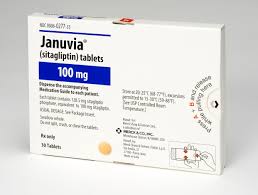
Sitagliptin Phosphate
Januvia
What is Sitagliptin Phosphate?
Januvia® is used to treat patients with type 2 diabetes. There is not a generic version currently available on the market in the U.S. The average Januvia cash price for one bottle of 30, 100 mg tablets is about $497. However, you can lower your high Januvia cost by up to 80% by using our free Januvia coupon at a local pharmacy that participates with Rx.com.
Side Effects
- Allergic reaction: Itching or hives, swelling in your face or hands, swelling or tingling in your mouth or throat, chest tightness, trouble breathing
- Large, hard skin blisters
- Sudden and severe stomach pain, nausea, vomiting, fever
Warnings
- Sudden and severe stomach pain, nausea, vomiting, fever, and lightheadedness
- Keep all medicine out of the reach of children. Never share your medicine with anyone.
- Shaking, trembling, sweating, fast or pounding heartbeat, faintness or lightheadedness, hunger, confusion
- This medicine may cause the following problems:Pancreatitis (inflammation of the pancreas)Heart failureLow blood sugarKidney problemsSerious skin reactions, including Stevens-Johnson syndrome
- Your doctor will do lab tests at regular visits to check on the effects of this medicine. Keep all appointments.
Prescription savings · · · ·
What is Sitagliptin Phosphate ?
Januvia® is used to treat patients with type 2 diabetes. There is not a generic version currently available on the market in the U.S. The average Januvia cash price for one bottle of 30, 100 mg tablets is about $497. However, you can lower your high Januvia cost by up to 80% by using our free Januvia coupon at a local pharmacy that participates with Rx.com.
- Allergic reaction: Itching or hives, swelling in your face or hands, swelling or tingling in your mouth or throat, chest tightness, trouble breathing
- Large, hard skin blisters
- Sudden and severe stomach pain, nausea, vomiting, fever
- Severe joint pain
- Blistering, peeling, red skin rash
- Shaking, trembling, sweating, fast or pounding heartbeat, faintness or lightheadedness, hunger, confusion
- Swelling in your hands, ankles, or feet
- Change in how much or how often you urinate
- Trouble breathing, cold sweat, bluish-colored skin
- Sudden and severe stomach pain, nausea, vomiting, fever, and lightheadedness
- Keep all medicine out of the reach of children. Never share your medicine with anyone.
- Shaking, trembling, sweating, fast or pounding heartbeat, faintness or lightheadedness, hunger, confusion
- This medicine may cause the following problems:Pancreatitis (inflammation of the pancreas)Heart failureLow blood sugarKidney problemsSerious skin reactions, including Stevens-Johnson syndrome
- Your doctor will do lab tests at regular visits to check on the effects of this medicine. Keep all appointments.
- Tell your doctor if you are pregnant or breastfeeding, or if you have kidney disease, gallstones, or a history of heart failure or pancreas problems.
Sitagliptin Phosphate Coupons & Prices
Januvia
Weight-loss medication, prescribed online
Licensed U.S. providers · No insurance needed · Shipped to your door
Sitagliptin Phosphate prices by dosage
Lowest cash price with a free Rx.com coupon vs. the average retail price.
| Dosage | Quantity | Retail price | Rx.com price |
|---|---|---|---|
| 25mg · Tablet | 14 | $71.30 | $63.97 |
| 50mg · Tablet | 15 | $185.63 | $66.99 |
| 100mg · Tablet | 15 | $159.69 | $66.99 |
Cash prices near ZIP 77433; updated regularly. Actual pharmacy price may vary.
If you are looking for a Januvia coupon, you are in the right place. Januvia is Merck's brand name for sitagliptin, a once-daily pill used with diet and exercise to help adults with type 2 diabetes control their blood sugar. Brand-name Januvia is one of the pricier diabetes pills at the pharmacy counter, and the price you are quoted can differ a lot from one pharmacy to the next, even within the same town. Our free Rx.com cash coupon is accepted at most major pharmacies and can be used whether or not you have insurance. Enter your ZIP code above to see today's price for Januvia near you, and to compare it against the price for generic sitagliptin, which is now available and is usually the single biggest way to lower what you pay.
What is Januvia and how does it work?
Januvia (sitagliptin phosphate) is an oral prescription medicine in a class called DPP-4 inhibitors (dipeptidyl peptidase-4 inhibitors), sometimes described as incretin enhancers. Your gut releases hormones called incretins after you eat, which tell your pancreas to release insulin and tell your liver to slow down sugar production. An enzyme called DPP-4 breaks those hormones down quickly. Januvia blocks that enzyme, so your own incretin hormones stick around longer and your body handles after-meal blood sugar better. Because it works with your body's own response to food, it tends to cause less low blood sugar on its own than older diabetes pills.
Januvia is FDA-approved as an addition to diet and exercise to improve blood sugar control in adults with type 2 diabetes. The usual dose is 100 mg once a day, with or without food. Your doctor will lower the dose if your kidney function is reduced (50 mg daily for moderate impairment, 25 mg daily for severe impairment or dialysis), so kidney testing is part of normal follow-up. Januvia is not for type 1 diabetes or diabetic ketoacidosis, and it has not been studied in people with a history of pancreatitis. It is often prescribed alongside metformin, a sulfonylurea such as glipizide, insulin, or an SGLT2 inhibitor.
Januvia cost: manufacturer savings card vs. the Rx.com cash coupon
Merck runs an official savings program for Januvia on its own product website, and it also runs the Merck Patient Assistance Program for people who qualify for free medicine based on income and insurance status. Both are worth checking. The important catch: manufacturer copay savings cards are generally limited to people with commercial (job-based or marketplace) insurance. If you are uninsured, or you have Medicare, Medicaid, TRICARE, or another government plan, you are usually not eligible. Terms, eligibility, and any caps change over time, so read the manufacturer's current terms before you count on one.
That is where a cash coupon fits. The Rx.com coupon is a cash-discount card, not insurance, so there is no eligibility form and no income test. You can use it if:
- You have no insurance at all.
- You are on Medicare or another government plan and cannot use a manufacturer card.
- Your plan does not cover Januvia, or you have not met your deductible.
- The pharmacy tells you the manufacturer card was declined.
The biggest lever is the generic. An FDA-approved generic sitagliptin is now available in the U.S., and the cash price on a generic is typically far below the brand. If you are paying cash, ask your prescriber whether generic sitagliptin is right for you, then enter your ZIP above to compare pharmacy prices for both the brand and the generic before you fill.
Januvia vs. other diabetes medicines
Januvia is rarely the only option. Which medicine is best depends on your A1c, kidney function, heart history, weight goals, and cost. Common comparisons:
- Sitagliptin — the generic of Januvia itself. Same active ingredient, same strength options, usually the cheapest way to stay on this drug.
- Janumet (and Janumet XR) — a single tablet combining sitagliptin with metformin. Convenient if you already take both.
- Tradjenta (linagliptin) — another DPP-4 inhibitor. It does not require a dose change for kidney function, which some prescribers prefer.
- Jardiance (empagliflozin) and Farxiga (dapagliflozin) — SGLT2 inhibitors, a different class often chosen when heart failure or chronic kidney disease is also a concern.
- Ozempic (semaglutide) — an injectable GLP-1 medicine. Different class, generally stronger A1c effect, and associated with weight loss.
- Metformin and glipizide — long-established, low-cost oral options that are often the starting point.
Other brands also contain sitagliptin, including Steglujan (sitagliptin with ertugliflozin) and Zituvio, Zituvimet, and Zituvimet XR (sitagliptin free base products from Zydus). These are separate products, not interchangeable generics of Januvia. Never switch or stop a diabetes medicine on your own; talk with your prescriber first.
Januvia safety: what to know
Januvia has no boxed warning. The most commonly reported side effects are upper respiratory infection, stuffy or runny nose (nasopharyngitis), and headache. Still, the FDA label lists several warnings worth knowing about, and you should call your doctor right away if you notice signs of any of them:
- Acute pancreatitis, including severe and rarely fatal cases. Severe, persistent stomach pain that may spread to your back, with or without vomiting, needs urgent attention. Stop the drug and contact your provider if pancreatitis is suspected.
- Heart failure, seen with DPP-4 inhibitors, particularly in people who already have heart or kidney disease. Report new or worsening shortness of breath, swelling, or rapid weight gain.
- Acute kidney failure, sometimes needing dialysis. Kidney function should be checked before you start and periodically afterward, and your dose adjusted if needed.
- Low blood sugar (hypoglycemia) when Januvia is combined with insulin or a sulfonylurea. Your doctor may lower the dose of those medicines.
- Serious allergic reactions, including anaphylaxis, angioedema (swelling of the face, lips, tongue, or throat), and severe peeling skin conditions such as Stevens-Johnson syndrome. Seek emergency care for trouble breathing or swelling.
- Bullous pemphigoid, a blistering skin condition that has sometimes required hospitalization. Report blisters or skin erosion.
- Severe, disabling joint pain (arthralgia), which usually improves after stopping the medicine.
This page is general information, not medical advice. Tell your provider and pharmacist about every medicine and supplement you take, and follow their guidance on dosing and monitoring.
This Sitagliptin Phosphate information was written and reviewed against authoritative U.S. medical sources — MedlinePlus (U.S. National Library of Medicine), DailyMed, and FDA prescribing information — and checked for accuracy. It is provided for education and is not a substitute for professional medical advice.
Verify the official label: Sitagliptin Phosphate on DailyMed (FDA)
Reviewed against FDA labeling · Last reviewed July 2026
Related Drugs
Browse more medications: starting with J · full A-Z directory · by condition · common drugs
Medical disclaimer: This information is provided for general educational purposes only and is not medical advice. It is not a substitute for professional diagnosis or treatment. Always consult a licensed physician, pharmacist, or other qualified healthcare provider before starting, stopping, or changing any medication or treatment. Never disregard professional medical advice or delay seeking it because of something you read here. If you think you may have a medical emergency, call your doctor or 911 immediately.


